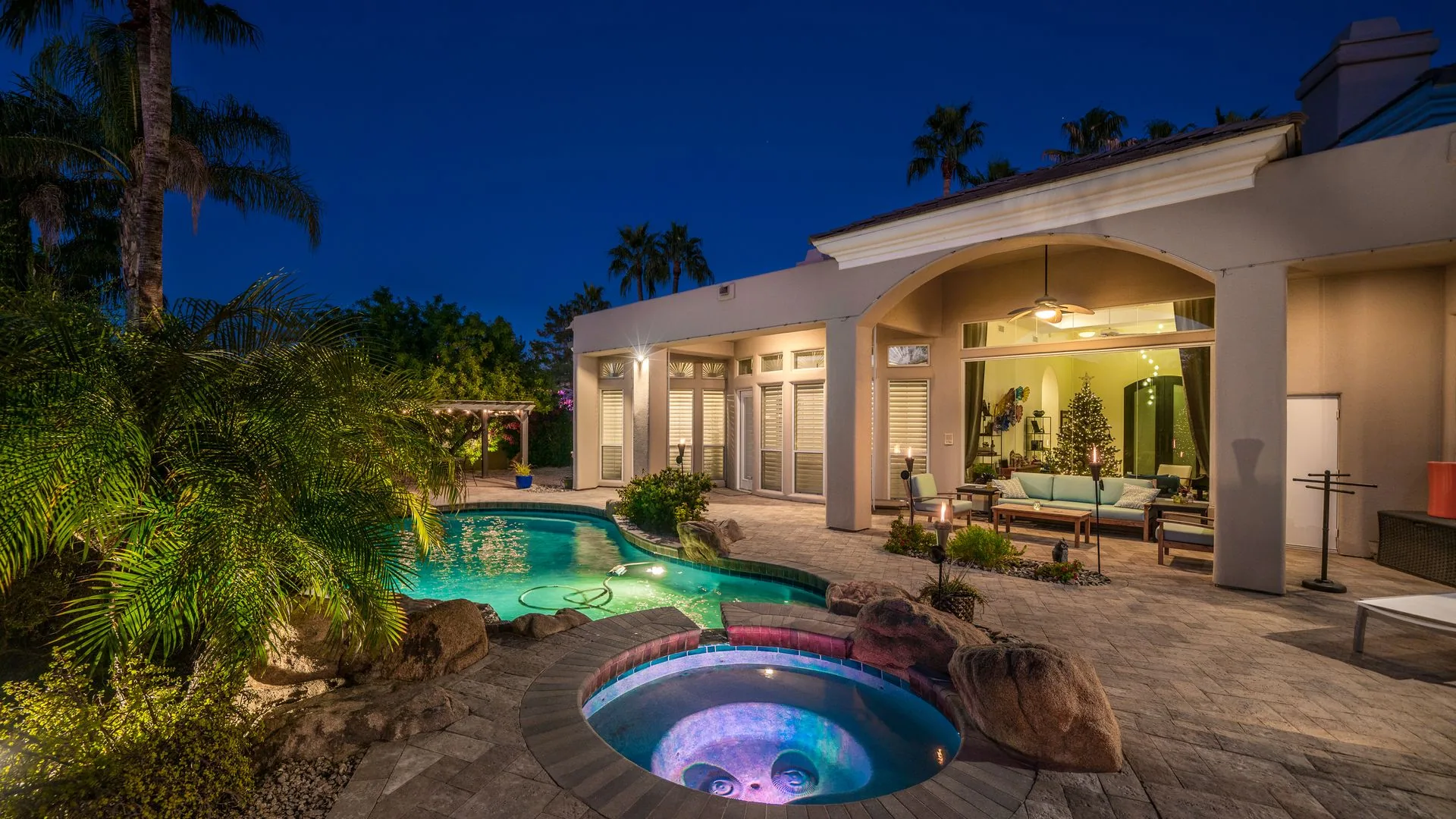
Flagstone Patio Installation Tips for Phoenix Homes
October 6, 2026 · By Diamond Cut Landscaping

Flagstone patio installation is one of the smartest ways to build a natural-looking outdoor space in Phoenix that can handle blazing sun, dusty winds, and those surprise monsoon downpours that show up right when you are grilling. When it is built the right way, flagstone feels solid underfoot, stays more comfortable than many man-made surfaces, and gives you that desert-authentic look that never goes out of style. When it is rushed, you end up with wobbly stones, puddles, and weeds treating your joints like a welcome mat.
We build outdoor living spaces across the Valley, and we see the same pain points over and over. So below, we are laying out what you should know before you collect quotes: what flagstone actually is, how Phoenix conditions change the build details, what drives price, and the small questions that can save you from big fixes later.
What a flagstone patio is (and why it fits Phoenix yards)
A flagstone patio is made from natural stone that is split into relatively flat pieces, usually with irregular edges. That irregular shape is not a flaw, it is the whole charm. You can keep it organic for a desert-native vibe, or cut and fit pieces tighter if you like a cleaner, more tailored layout.
In Phoenix, people also like flagstone for practical reasons:
- Traction: The natural texture is grippy, which helps around pools and during monsoon season.
- Heat behavior: Many natural stones feel less harsh underfoot than bright, reflective hardscape finishes, especially later in the day.
- One-of-one look: Every patio has its own pattern because every piece of stone is different.
If you are comparing materials for a full backyard upgrade, you can also peek at our Phoenix patio design and installation services to see how flagstone stacks up alongside pavers and other hardscape options we install out here.
Flagstone patio cost in Phoenix (2026 budget reality)
Flagstone patio cost is not a simple “price per square foot” situation, even though that is how a lot of online guides present it. In real Phoenix yards, your final number is usually driven by the parts you do not see when it is finished: demolition, excavation, base depth, compaction time, drainage work, and how difficult it is to access the backyard with equipment.
As a starting point, national cost guides often put installed flagstone patios in the mid-teens to low-30s per square foot for dry-laid work. You can see those ranges reflected in Angi’s flagstone patio cost guide and also in HomeGuide’s flagstone patio cost breakdown.
In Phoenix, it is common for the price to climb once you factor in local realities like:
- Caliche and hard digging: Some lots are easy; others are like chiseling concrete. That affects labor and equipment time.
- Drainage corrections: Many yards have low spots or negative slope toward the house that need to be fixed, not ignored.
- Thicker stone and tighter fitting: Better materials and more hand-work cost more, but they usually pay you back in fewer repairs.
- Add-ons: Steps, seat walls, lighting, fire features, pergola footings, and outdoor kitchens all change scope.
If a quote is based on a quick measurement from the driveway, be careful. A solid bid comes from walking the yard, looking at grades, and talking through how the patio meets doors, pool decking, and irrigation zones.
Flagstone patio installation methods: what you are really comparing
Two bids can look similar on paper and be built completely differently. Before you sign anything, ask the contractor which method they are quoting and why it makes sense for your yard.
- Dry-laid flagstone (common in Phoenix): Stone sits on a compacted base, and the joints are filled with materials like polymeric sand or fine gravel. It drains well and it is easier to spot-fix later if a section settles or you need access below.
- Mortar-set flagstone: Stone is mortared over an existing slab or a new slab, then grouted. This can look very clean, but it needs careful drainage planning so water does not get trapped where you do not want it.
- Concrete-set (wet-laid) flagstone: The most rigid system, usually the highest cost. Done well, it can be beautiful. Done poorly, cracking and drainage problems can show up fast.
One Phoenix-specific note: we get long dry stretches and then sudden intense rain. Your patio has to be built so water moves away from the home and out to the right area, not into a low corner where it sits and stains.
Base prep for flagstone patio installation in Phoenix (the part you will never see, but always feel)
If you want a flagstone patio that stays tight and comfortable to walk on, your base matters more than the stone color. A patio can look perfect on day one and still fail if the base is thin, uneven, or not compacted in layers.
For many Phoenix residential patios, a common approach is:
- Excavation: Remove loose soil and dig to consistent depth, accounting for your finished elevation at door thresholds.
- Compacted base: Often around 4 inches of compacted crushed rock or decomposed granite, installed in lifts and compacted properly.
- Setting layer: Roughly 1 to 1.5 inches of setting material like coarse sand or DG to fine-tune the surface.
- Stone thickness: Many patios do well with 1.5-inch flagstone as a practical minimum, with thicker material where you expect heavier traffic or heavier features.
Then there is the detail work that separates “looks good in photos” from “feels good every day”:
- Slope for drainage: You want steady pitch away from the home and toward a safe discharge point.
- Edge restraint: Keeps the field from slowly creeping and spreading over time.
- Joint plan: What you fill the joints with changes maintenance and stability, especially with dust and wind.
If your property has tough caliche, you may need extra excavation effort to keep the base consistent. That is not a sales pitch, it is just the ground we work with in the Valley.
Drainage and slope: your monsoon insurance policy
Phoenix patios do not fail because it rains every day. They fail because when it rains, it can rain hard and fast. Your patio needs a drainage plan that makes sense for your lot lines, existing grades, and where water can legally and safely go.
In plain terms, you are aiming for:
- Water moving away from the foundation: No ponding near the house.
- No “bowl” areas: Low spots that collect silt and leave stains.
- Smart tie-ins: If the patio meets existing concrete or pool decking, the transitions must be clean and the water must still shed properly.
If you live in an HOA community, there can also be rules about drainage changes, walls, and finished grades. That is another reason we like to look at the site in person before you commit to a direction.
Design tips so your flagstone patio actually gets used
Most patios do not get used because they are pretty. They get used because they are comfortable, functional, and laid out with real life in mind. Before you fall in love with a stone sample, think about how you will move through the space and how you will use it at 6 p.m. in July.
- Build for furniture: Lounge seating is forgiving. Dining chairs are not. If you plan to eat outside, you will want flatter stones and tighter joints in that zone.
- Plan shade early: If you want a pergola later, think about footing locations and electrical runs now, before hardscape goes in.
- Give the patio edges a purpose: Steps, seat walls, planters, or a defined planting border can make the patio feel finished instead of floating in gravel.
- Do not forget lighting: Low-voltage LED lighting changes how you use the yard at night and it makes transitions safer.
If you are pulling together a whole backyard plan, our post on modern backyard ideas Phoenix homeowners will love is a good next step for layout and zoning ideas that make outdoor spaces feel bigger and more intentional.
Maintenance and sealing in Phoenix: keep it simple, stay consistent
A good flagstone patio can last a long time in the Sonoran Desert, but it does better with small, steady upkeep instead of a big “fix-it weekend” every few years. Between dust storms, pool water splash-out, hard water deposits, and UV exposure, surfaces get dirty faster than people expect.
- Weekly or biweekly: Sweep off grit and hose down dust. Fine sand acts like sandpaper under shoes and furniture feet.
- As needed: Stay on top of weeds early, especially after monsoon rains. Small weeds are easy. Established roots are not.
- Every 18 to 36 months: Consider a breathable, natural-finish sealer if your patio sees a lot of food, drinks, or pool traffic.
If you are curious about long-term value, Forbes Home’s overview of flagstone patio pricing and value has a helpful breakdown on why natural stone often holds appeal when it is installed well.
Flagstone vs. pavers in Phoenix: pick the one that fits your day-to-day
This comes up in almost every design conversation. Both can be great. The better choice is the one that matches how you live and what you want to maintain.
If you host big dinners and want a very flat surface, pavers can be the more practical move. If you want something that looks like it belongs in the desert and you like a more organic finish, flagstone is hard to beat.
Questions to ask before you sign a flagstone patio installation contract
Most patio problems are not “bad stone,” they are unclear scope. Before you approve a proposal, you should be able to get direct answers to questions like these.
- Which installation method are you recommending for my yard, and why?
- How will you set slope and handle drainage during monsoon storms?
- What base materials will you use, and what depth after compaction?
- Does the quote include demolition, excavation, and haul-off?
- How will you protect or reroute existing irrigation lines?
- What stone thickness are you specifying, and where will you use thicker material?
- Is sealing included, and what kind of sealer are you using?
If you are building more than just a patio, it helps to work with a team that can coordinate the whole yard. Our hardscape design and installation services in Phoenix page walks through the broader types of builds we handle, and how we think about durability in desert conditions.
FAQ: Flagstone patio installation in Phoenix
Is dry-laid flagstone good for monsoon season? Yes, when the base is built correctly and the patio is graded properly. Dry-laid patios naturally drain, and they are also easier to adjust later if a section settles or you need access below the stone.
What thickness of flagstone should you use for a patio? For many residential patios, 1.5-inch-thick stone is a common practical minimum. If you expect heavier traffic, want tighter joints, or plan to place heavy furniture or features, going thicker can help the patio feel more solid over time.
Why did my neighbor’s “$20 per square foot” quote turn into a much bigger number? Because a lot of per-square-foot pricing excludes the work that makes a patio last: demolition, excavation, grading, base material, compaction time, and haul-off. In Phoenix, caliche and drainage fixes can add real labor and equipment time.
Do you need to seal a flagstone patio in Phoenix? We usually recommend it, especially if you have pool splash-out, hard water staining, or you eat outside often. The right sealer should be breathable and keep the finish looking natural rather than glossy.
Is flagstone or pavers better around a pool? Both can work. Flagstone is naturally textured for traction. Pavers can be flatter and easier to re-level later. The better choice depends on your layout, drainage plan, and how you use the area day to day.
Conclusion
A great flagstone patio installation in Phoenix is not just picking stone you like. It is solid base prep, a drainage plan that respects monsoon season, and a layout that fits the way you actually use your backyard for shade, seating, and traffic flow.
If you want help planning a patio that feels right for your home and holds up long-term, reach out through our Diamond Cut Landscape contact page. You tell us what you want to do in the space, and we will walk the site, talk through options, and give you a clear scope and budget for your backyard.