Gazebo vs Pergola: Picking the Right Phoenix Shade
August 11, 2026 · By Diamond Cut Landscaping

Gazebo vs pergola is one of those Phoenix backyard questions that sounds simple until you stand on your patio at 4 p.m. in July. The sun is hammering the house, the concrete is radiating heat, and you are trying to picture where you will actually sit, cook, and hang out when it is hot. Pick the right shade structure and your yard becomes part of your home. Pick the wrong one and it turns into a good-looking feature you avoid for half the year.
We build pergolas, ramadas, and full outdoor living spaces across the Valley, so we see what works long-term in the Sonoran Desert. Let’s walk through the real, everyday differences so you can choose something you will use, not just something that photographs well.
Gazebo vs pergola: the roof is the part you feel every day
When you are comparing gazebo vs pergola, focus on the roof first. A traditional pergola has an open, slatted top, which means you get filtered shade and plenty of airflow. A gazebo has a solid roof, which means deeper shade and better rain protection. That roof-first distinction lines up with common guidance on the difference between a pergola and a gazebo, but the Phoenix twist is that heat and sun exposure amplify the pros and cons fast.
You will also hear one more term a lot in Arizona: ramada. Around Phoenix, a ramada is basically a pavilion-style cover with a solid roof and open sides. Think of it as a functional shade room without walls, often rectangular and designed to cover a patio set, an outdoor kitchen, or a pool lounge area.
Gazebo vs pergola in Phoenix heat: shade is great, but airflow keeps you outside
Phoenix shade has a weird balancing act. You need relief from direct sun, but you also need air moving. An open-roof pergola usually feels breezier, especially when it is attached to the house and you are catching whatever cross-breeze you can. A solid-roof gazebo or ramada gives you that “ahh” moment of full coverage, but if it is boxed in or built low without thought, it can get stuffy underneath.
There are a few practical design moves that make a big difference in summer comfort:
- Keep the sides open so air can move through.
- Plan for a fan if the space is meant for dining or lingering.
- Think about height since taller rooflines generally feel less heat-trapped.
- Aim the shade for the west and southwest exposure, because that late-day sun is the one that chases you indoors.
Pergolas: the “patio upgrade” that still feels open
If you want your backyard to feel bigger, not more crowded, a pergola is often the cleanest move. It gives you a defined place to eat or sit without closing in the yard. It also plays nicely with lighting and hardscape work, which is why it is such a common pairing with pavers and patio extensions.
What you can do with a pergola in Phoenix goes way beyond the classic slats:
- Open rafters for that bright, dappled shade.
- Retractable canopy for extra coverage when you need it.
- Adjustable louvers if you want to open up in winter and close down in summer storms.
Homeowners ask us about louvered systems all the time because they want control, not compromise. When the louvers close, you can cut the harsh direct sun and make the seating area feel more usable. That lines up with general notes on how louvered pergolas can improve sun-blocking performance, and in real life it also means you are less likely to cancel an outdoor dinner because a quick storm pops up.
If you are already sketching out a bigger patio plan, our Phoenix pergolas and shade structures service is built around designing the cover, the hardscape, and the lighting as one finished space.
Gazebo vs pergola for full coverage: why ramadas are a Phoenix favorite
If you are building an outdoor kitchen, setting up a TV wall, or you just know you want a true “roof” over your entertaining area, a solid-roof structure usually wins. You get real shade from edge to edge, plus better protection during monsoon season.
In many Valley homes, the structure you are picturing is less of a decorative octagon gazebo and more of a ramada or pavilion. It is straightforward, it fits modern patio shapes, and it can cover the spots that matter most: the grill, the island seating, and the main table.
Cost is typically higher than a basic open-roof pergola, mostly because roofing, structural spans, electrical, and proper footings add up. That general pattern shows up in typical pergola vs gazebo cost comparisons, and it tracks with what we see locally once you account for Phoenix wind loads and the site work needed to anchor things correctly.
Gazebo or canopy: the quick fix that often becomes a repeat purchase
We get it. You can order a soft-top “gazebo canopy” in a couple clicks and it looks like an easy win. The issue is that Phoenix is tough on fabric and lightweight frames. UV exposure is relentless, dust gets into everything, and seasonal winds test every fastener you did not know existed.
If you need shade for a party or you are renting and want something temporary, a canopy can be fine. If your goal is a backyard you rely on year after year, a permanent pergola or ramada is usually the smarter path. It is easier to add lighting, fans, and power cleanly, and you are not replacing parts every season.
Gazebo vs pergola: Phoenix cost ranges and what actually drives the number
Pricing in the Phoenix metro depends on size, materials, whether it is attached or freestanding, and what else you are building around it. For early planning, here are realistic starting ranges we see in the Valley:
- Basic wood pergola: typically $2,000 to $8,000 depending on size, stain or paint, and detailing
- Premium aluminum or louvered pergola systems: often $5,000 to $20,000+ depending on spans, motors, and add-ons
- Custom gazebo or ramada with a solid roof: commonly $8,000 to $20,000+ depending on roofing type, electrical, and site conditions
One thing Phoenix homeowners do not always expect is how much the base matters. Proper footings and anchoring are a big deal here, especially with caliche soil and the kind of wind that shows up during monsoon season. We treat the foundation like part of the structure, because it is.
If you are planning a new patio at the same time, designing the shade structure and hardscape together usually gives you cleaner lines, better drainage, and a more “built-in” look. You can see options on our Phoenix patio design and installation page.
Quick comparison table: pergola vs gazebo vs ramada
Placement tips for Phoenix yards: patio, pool, or a separate hangout spot
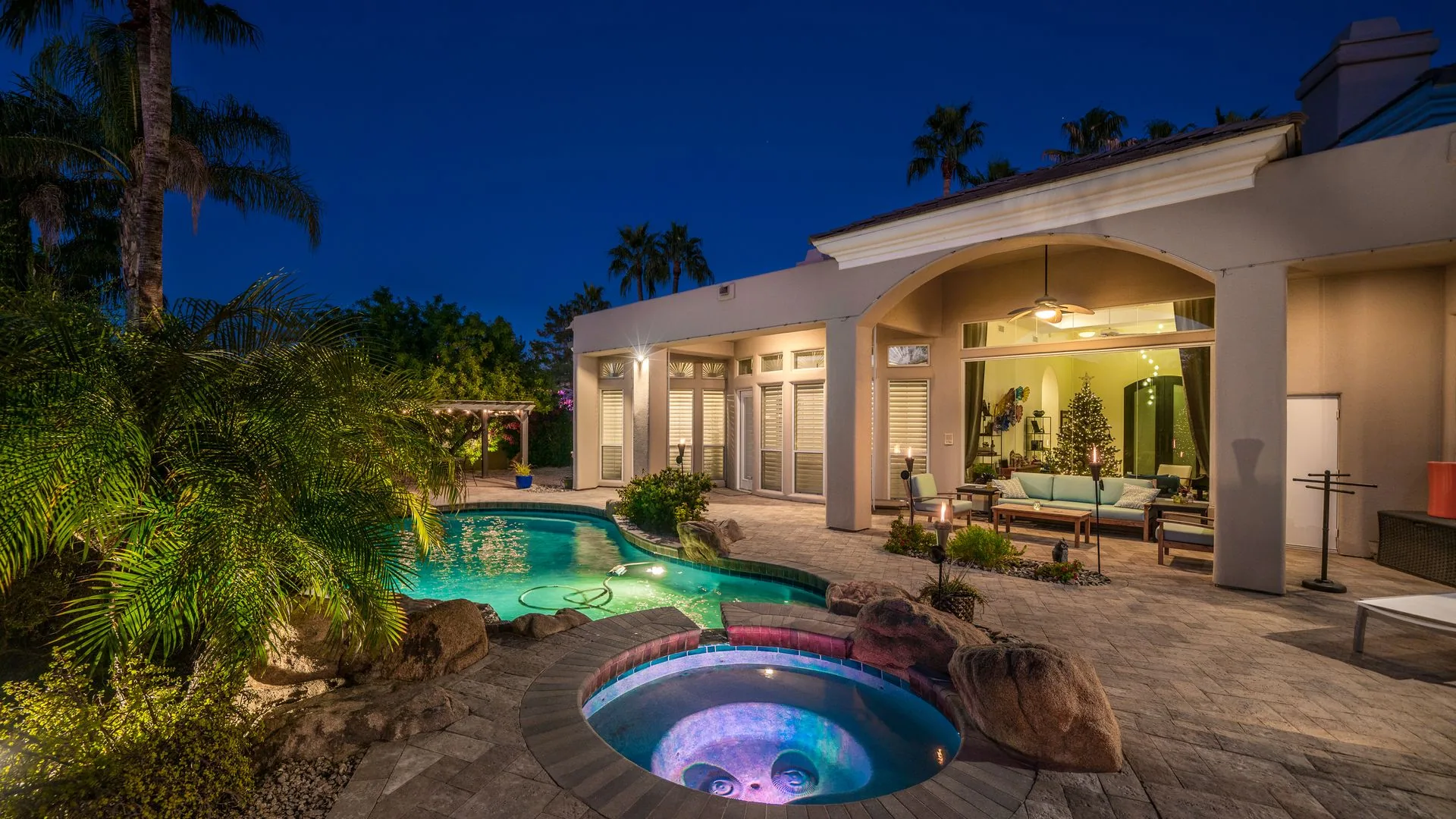
Where you put the structure matters almost as much as what you choose. In a lot of Phoenix subdivisions, attaching a pergola to the home over the main patio creates the smoothest indoor-outdoor connection. It can also shade the glass and doors that take the brunt of afternoon sun, which helps with comfort inside the house too.
Gazebos and ramadas often shine as freestanding features. They make sense near a pool, beside a fire feature, or at the end of a walkway where it feels like you are walking to a destination. If you like the idea of multiple zones, such as dining by the house and lounging closer to the pool, a ramada can be the anchor that makes the yard feel planned instead of pieced together.
Materials that survive sun, heat, and monsoon season
In the Sonoran Desert, material choice is not just style. It is maintenance and longevity. Wood can be beautiful, but it needs consistent sealing and care to slow down cracking and fading. Aluminum systems often cost more upfront, but they are usually lower maintenance and hold up well in harsh sun.
- Pressure-treated wood: budget-friendly, but expect ongoing maintenance in full sun
- Cedar or redwood: premium natural look, still needs sealing in our climate
- Powder-coated aluminum: durable and low maintenance for Phoenix exposure
One practical tip we give homeowners: decide early if you want fans, lighting, speakers, or heaters. When we plan utilities from day one, we can hide wiring, avoid surface-mounted conduit, and keep the finished look clean.
Design pairings that make your shade structure feel built-in
The best outdoor spaces are not “structure first, everything else later.” They are designed as a whole. A few combinations we see working well across Phoenix and Scottsdale:
- Pergola + LED lighting: soft downlighting on beams and warm accents for evenings
- Ramada + outdoor kitchen: shade over the grill and prep zone so you actually want to cook outside
- Shade + desert planting: trees and tall shrubs placed to cut the late-day western sun without overwatering
- Solid roof + drainage plan: because monsoon runoff has to go somewhere on purpose
If you want to see how these pieces come together in real projects, take a look at our outdoor living and landscape gallery.
FAQ: Gazebo vs pergola vs ramada
Which is better for Phoenix: gazebo vs pergola?
If you want a breezy patio cover with flexible shade, a pergola is usually the better starting point. If you want full coverage for an outdoor kitchen, a TV area, or serious entertaining, a solid-roof gazebo or ramada is often the better fit.
Is a ramada the same as a gazebo?
People use the words interchangeably, but in Arizona a ramada usually means a rectangular pavilion-style structure with a solid roof and open sides. A classic gazebo is often more decorative and can be a different shape, like an octagon.
Does a solid roof make it hotter underneath?
It can if it is designed without ventilation or if the roof is too low. Open sides, smart height, and a fan go a long way in Phoenix.
Is a gazebo canopy worth it in Phoenix?
For temporary shade, sure. For long-term backyard use, the sun and wind tend to shorten the lifespan. If you are building a space you want to rely on, a permanent structure is usually the better investment.
What size shade structure do I actually need?
Start with furniture and function, not the empty patio. Measure for the table you want, the walking space around it, and any grill or island. Then size the cover so the shade lands where you sit, especially in late afternoon.
Conclusion: pick the shade you will use, not just the one you like on paper
If you are weighing gazebo vs pergola in Phoenix, think about your real routine. If you want an open feel and adjustable shade over the main patio, a pergola is a great match. If you want dependable cover for cooking, entertaining, and monsoon season, a solid-roof ramada or gazebo usually earns its keep.
If you want a second set of eyes on your yard, we can help you map sun angles, placement, and budget before you commit. For more on maximizing your backyard’s potential, visit our guide to pergola ideas for Phoenix homes. Reach out through our Diamond Cut Landscape contact page and we will talk through options that make sense for your home in the Valley.